EN ▾
Industrial Accident Clean Up in Des Moines, IA
Licensed Des Moines industrial accident clean up pros using eco‑conscious methods and responsible disposal — honest pricing, fast scheduling, and work done right.
What's included
Industrial Accident Clean Up
From urgent repairs to planned installs, Des Moines Biohazard Cleanup's licensed team handles industrial accident clean up across Des Moines — with an upfront price agreed before any work begins.
How it works
Industrial Accident Clean Up FAQ
Why choose Des Moines Biohazard Cleanup?+
What biohazard cleanup services do you offer in Des Moines?+
Are the biohazard cleanup pros licensed and insured in Iowa?+
How fast can you respond in Des Moines?+
Who do I call for a biohazard cleanup emergency in Des Moines?+
How can I verify a biohazard cleanup company in Des Moines is licensed and legitimate?+
Industrial Accident Clean Up in Des Moines
Industrial accident clean up in Des Moines involves the specialized removal and remediation of biohazards, chemical spills, and physical debris that result from workplace incidents in manufacturing plants, warehouses, construction sites, and other industrial settings. Unlike standard janitorial services, this work requires handling bloodborne pathogens, industrial chemicals, sharp metal fragments, hydraulic fluids, and other hazardous materials that pose immediate health risks to employees and visitors. The process begins with securing the scene to prevent unauthorized access, followed by a thorough assessment of the contamination zone. Technicians then deploy industrial-grade disinfectants, absorbents for chemical spills, and specialized tools for removing embedded debris from concrete floors, machinery, and structural surfaces. Every trace of biological or chemical hazard must be documented and disposed of according to Iowa Department of Natural Resources and OSHA guidelines, ensuring the workspace is safe for return to operation. For Des Moines properties, this matters because industrial sites often operate on tight production schedules, and a properly cleaned accident scene minimizes downtime while protecting the business from liability, regulatory fines, and long-term health claims from workers exposed to lingering contaminants.
The specific challenges of industrial accident clean up in Des Moines include the diversity of facilities across the metro area, from grain processing plants near the river to metal fabrication shops in the eastern industrial corridor. Each environment presents unique hazards: ammonia leaks from refrigeration systems, heavy machinery oil spills, or bloodborne pathogens from crush injuries. The clean up process must account for porous concrete that can absorb chemicals, ventilation systems that could spread airborne contaminants, and the need to preserve evidence for OSHA investigations. Technicians use pH-neutral cleaners for sensitive equipment, HEPA vacuums for airborne particulates, and industrial deodorizers to eliminate persistent odors that can disrupt operations. For Des Moines businesses, a thorough industrial accident clean up is not just about appearance—it is about restoring a safe environment where employees can return without fear of residual hazards, and where production lines can resume without risking secondary contamination.
Areas We Cover in Des Moines
We provide industrial accident clean up services across Des Moines, including the neighborhoods of Accent, Arbor Peaks, Avon, Avon Lake, Beaverdale, and Brook Run. Our coverage extends to industrial zones near landmarks such as 2AU Limited, 2nd Amendment Gun Shop, 300 Craft & Rooftop, and 801 Chophouse, ensuring that facilities in these areas receive prompt, professional remediation. Whether your site is a manufacturing plant in the northern industrial district or a warehouse near the downtown core, we respond to accidents throughout the city and its surrounding suburbs.
What to Expect
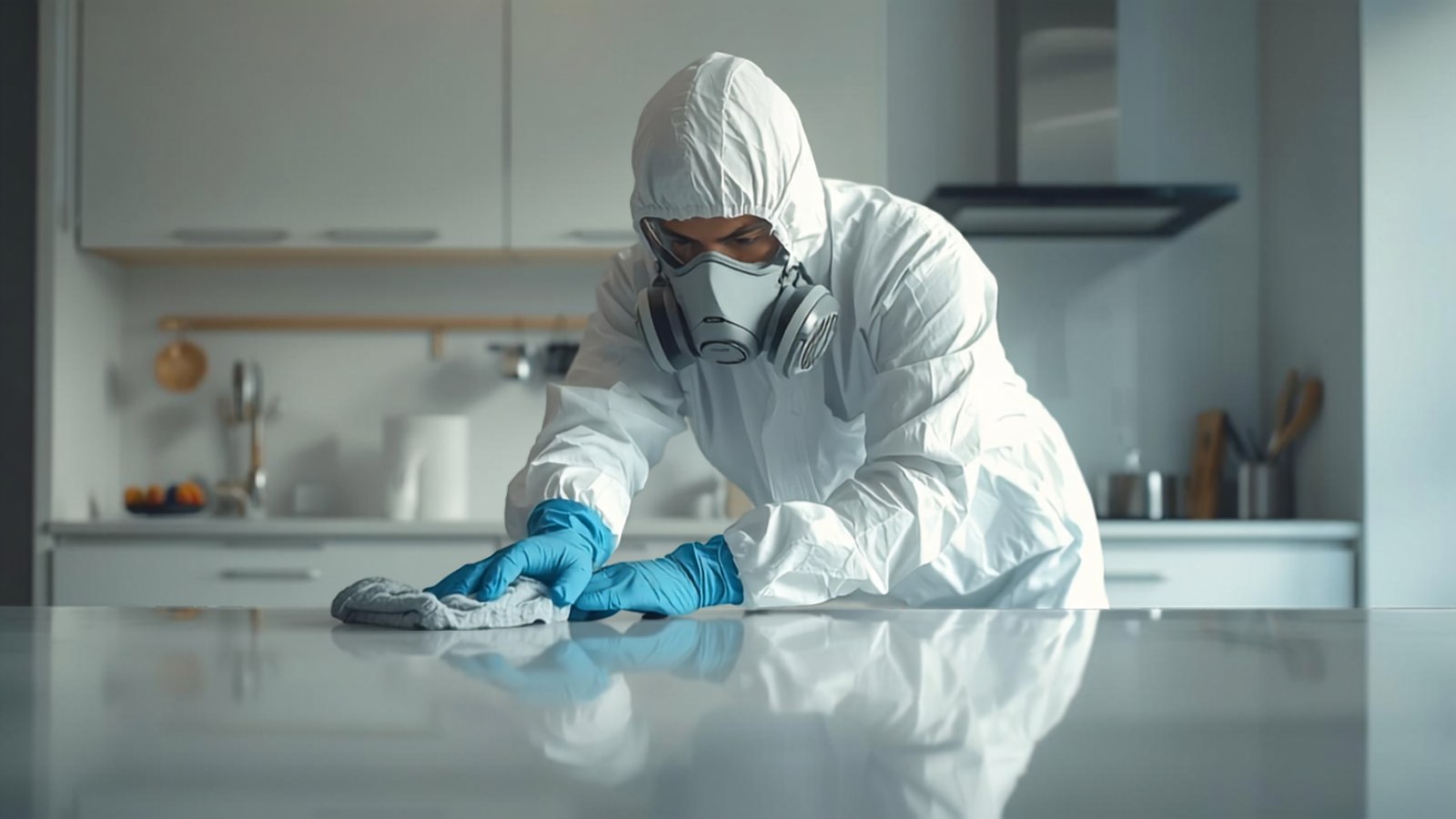
When you contact us for industrial accident clean up, expect a rapid response to assess the scene and contain hazards. Our team arrives in full personal protective equipment, documents the incident for insurance and regulatory purposes, and performs a step-by-step remediation that includes removal of all biohazards, chemical neutralization, structural cleaning, and air quality testing. We coordinate with your safety manager and OSHA representatives as needed, and we do not leave until the site passes a final inspection for cleanliness and safety. The goal is to restore your workspace to a condition that allows normal operations to resume without delay.
If your Des Moines industrial facility has experienced an accident, call us today to discuss the clean up process and schedule an immediate response.